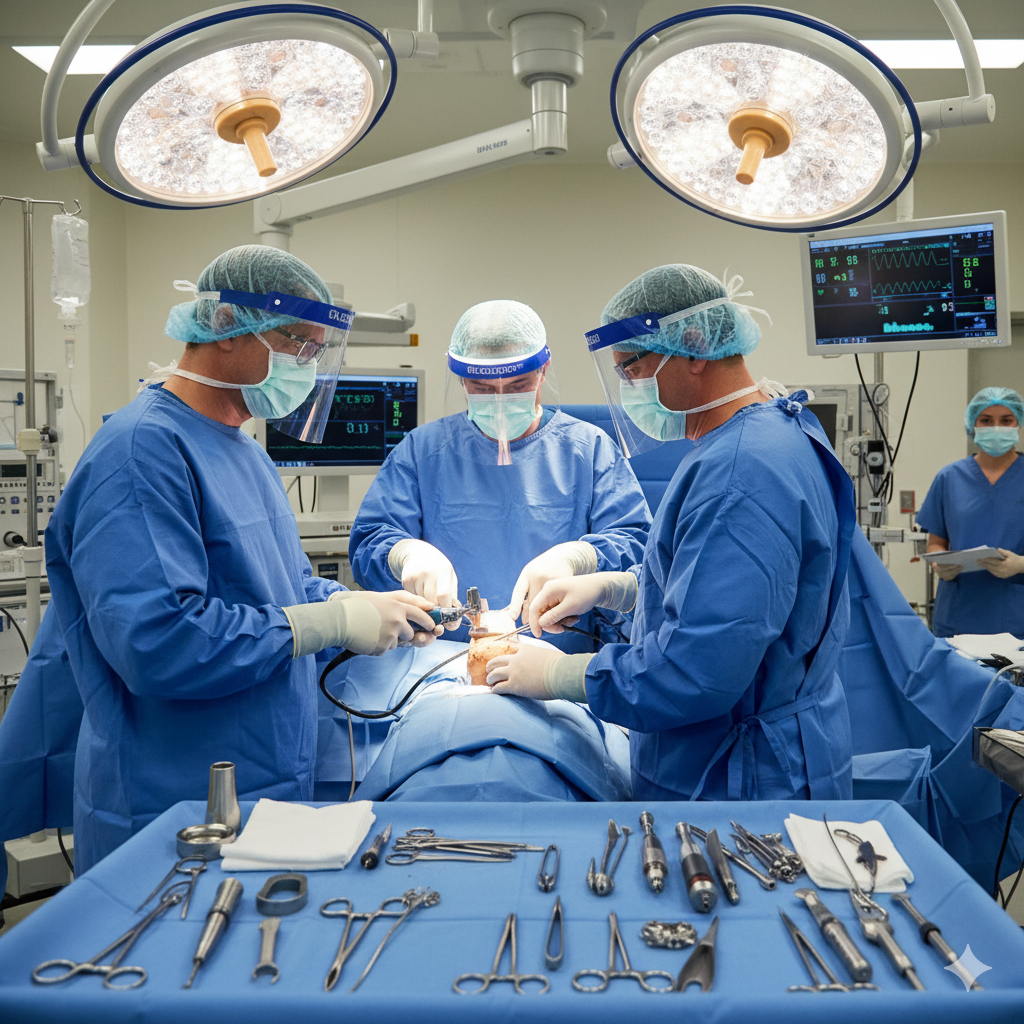
what is JOINT REPLACEMENT ?
Joint replacement surgery is a medical procedure in which a damaged or worn-out joint is replaced with an artificial implant (called a prosthesis) to restore normal movement, relieve pain, and improve quality of life. It is most commonly performed on weight-bearing joints such as the knee, hip, and shoulder, where conditions like severe arthritis, injury, or long-term joint disease cause stiffness, swelling, and reduced mobility. The procedure involves removing the damaged portions of bone and cartilage and replacing them with metal, ceramic, or plastic components that mimic the natural movement of the joint. Joint replacement is usually recommended when other treatments—such as medication, physiotherapy, or lifestyle modifications—no longer provide relief. With advancements in technology, minimally invasive techniques, customized implants, and faster recovery protocols, patients can often return to daily activities with significant improvement in comfort and mobility after surgery.
Who Needs Joint Replacement?
Who Needs Joint Replacement?
Joint replacement is recommended for individuals suffering from:
Osteoarthritis – Degeneration of cartilage causing pain and stiffness.
Rheumatoid arthritis – Chronic inflammatory condition damaging the joint.
Post-traumatic arthritis – Arthritis resulting from previous injuries or fractures.
Severe joint deformities or loss of function – Limiting daily activities.
The strip is divided into hundreds or thousands of follicular units under high magnification.
These grafts are implanted into tiny incisions in the recipient area, ensuring natural-looking growth.
Benefits of Joint Replacement
Significant pain relief.
Improved joint mobility and function.
Enhanced quality of life.
Long-lasting results (most implants last 15–20 years).